

Restaurant renovation financing can help business owners upgrade their spaces, replace outdated equipment, and expand operations without draining their cash reserves.
Whether you’re remodeling a dining room, redesigning a kitchen, or adding outdoor seating, renovation costs can add up quickly. Meanwhile, payroll, inventory, rent, and other operating expenses don’t stop during construction.
Fortunately, several business financing options can help spread renovation costs over time. Understanding these options can help you plan your project, protect working capital, and choose financing that fits your restaurant’s needs.
What Is Restaurant Renovation Financing?
Restaurant renovation financing is business funding used to pay for improvements to a restaurant’s physical space. Instead of paying the full project cost upfront, owners can use financing to cover eligible expenses and repay the funds over time.
Depending on the financing program, funds may support:
- Dining room remodels and updated seating
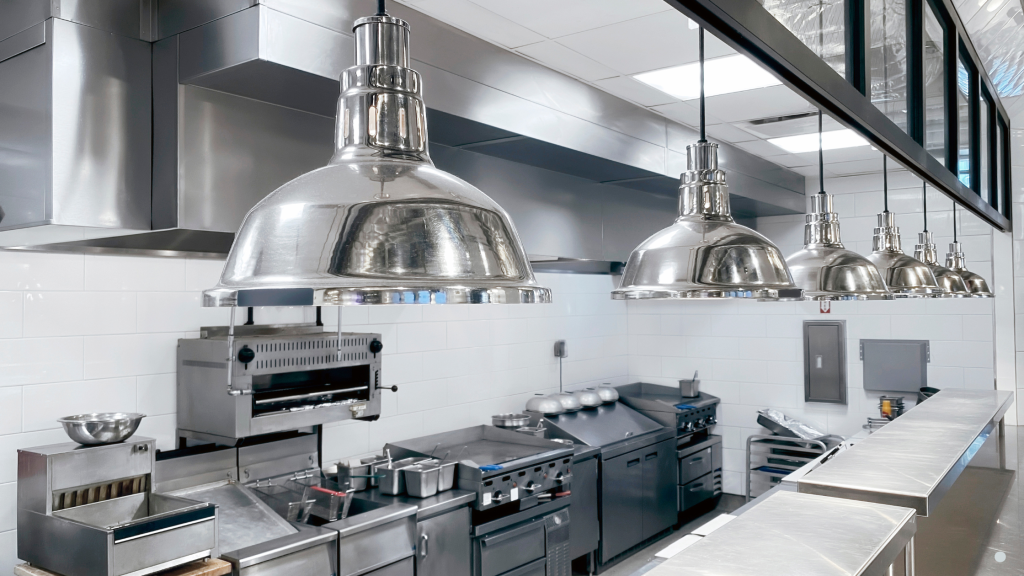
- Commercial kitchen renovations
- Bar upgrades and expansions
- Outdoor patios and dining areas
- New furniture, fixtures, and lighting
- Flooring, plumbing, and electrical work
- HVAC and ventilation improvements
- Restroom and accessibility upgrades
- Restaurant technology and equipment
- Expansion into additional space
Some projects involve one major expense, while others combine construction, equipment, and operating costs. Therefore, the right financing structure depends on the scope of the renovation.
Why Consider Restaurant Renovation Financing?
Renovations can improve the customer experience, increase capacity, and make daily operations more efficient. However, paying for improvements entirely with cash may leave a restaurant financially vulnerable.
Restaurant renovation financing offers several potential advantages.
Preserve Working Capital
Restaurants must continue paying operating expenses throughout a renovation.
Payroll, vendor payments, insurance, and other obligations remain due even when parts of the restaurant are temporarily unavailable.
By financing eligible renovation expenses, owners may preserve more cash for daily operations and unexpected costs.
Complete More of the Renovation at Once
Without financing, restaurant owners may divide a major renovation into several smaller projects.
Although this approach sometimes makes sense, repeated construction can disrupt operations. For example, closing the dining room multiple times may create additional inconvenience for customers and employees.
Financing may allow a restaurant to complete more of the planned improvements during one construction period.
Increase Restaurant Capacity
Some renovations focus on creating opportunities to serve more customers.
For example, restaurants may:
- Add dining tables or private event space
- Expand a bar or outdoor patio
- Increase kitchen production capacity
- Create additional catering space
- Improve takeout and delivery operations
However, additional seating or kitchen capacity doesn’t automatically guarantee higher profits. Owners should evaluate expected demand and the additional costs required to support growth.
Improve Operational Efficiency
Not every renovation is visible to customers.
A better kitchen layout, additional prep space, or upgraded equipment may help employees work more efficiently.
In addition, improvements to storage, ventilation, and workflow can support smoother daily operations.
How Much Does a Restaurant Renovation Cost?
Restaurant renovation costs vary significantly based on the size, location, and scope of the project.
A cosmetic dining room refresh will generally have different requirements than a complete kitchen renovation or restaurant expansion.
Several factors influence the budget:
- Restaurant size and building condition
- Construction materials and labor
- Equipment requirements
- Plumbing, electrical, and HVAC upgrades
- Permits and inspections
- Structural modifications
- Furniture, fixtures, and technology
- Temporary closures or reduced operating capacity
Before seeking restaurant remodel financing, request detailed contractor estimates whenever possible.
Also, consider how construction could affect revenue. A renovation that requires closing the restaurant for several weeks may have a greater financial impact than one completed in phases.
Build a Restaurant Renovation Budget Before Borrowing
A realistic renovation budget should include more than the initial construction estimate.
To avoid unexpected financial pressure, account for the following expense categories.
Construction and Building Improvements
Include demolition, framing, walls, ceilings, flooring, and structural modifications. Depending on the building’s condition, additional repairs may also be necessary.
Mechanical Systems
Plumbing, electrical systems, HVAC, and ventilation can represent significant renovation expenses. Older restaurants may also require upgrades to support new equipment.
Kitchen Equipment
Commercial ovens, refrigeration, dishwashing systems, and food preparation equipment can add substantial costs.
If equipment purchases make up a significant part of the project, equipment financing may be worth exploring.
Furniture, Fixtures, and Technology
Remember to budget for tables, seating, lighting, shelving, point-of-sale systems, networking equipment, and security systems.
Permits and Professional Fees
Architects, designers, engineers, inspections, and local permits may increase the overall cost.
Lost Revenue During Construction
If the restaurant must close temporarily or operate at reduced capacity, estimate the potential revenue impact.
For example, construction that limits dining room seating may reduce sales even if the restaurant remains open.
Contingency Funds
Renovations sometimes reveal hidden plumbing issues, outdated electrical systems, or other unexpected problems.
As a result, building a contingency amount into the budget can help reduce the risk of running out of funds before the project is complete.
Restaurant Renovation Financing Options
Several business funding solutions may support restaurant renovations. The right choice depends on the project cost, timeline, business qualifications, and repayment preferences.
Business Term Loans
A business term loan may be suitable for a larger renovation with a clearly defined budget.
With a term loan, the restaurant receives a lump sum and repays the borrowed amount according to the financing agreement.
This structure can be useful when owners have contractor estimates and a clear understanding of the project’s expected cost.
Equipment Financing
Equipment financing may be appropriate when a renovation includes major kitchen equipment purchases.
For example, financing could support eligible ovens, refrigeration systems, or commercial food preparation equipment.
This approach may allow owners to reserve other financing or cash for construction and additional renovation expenses.
Business Line of Credit
Construction expenses don’t always follow a predictable schedule.
A business line of credit may provide access to funds for eligible expenses as they arise, subject to the agreement’s terms.
This can be helpful when project costs vary or unexpected improvements become necessary.
SBA Loans
Some qualifying restaurant businesses may consider SBA-backed financing for larger renovation or expansion projects.
According to the U.S. Small Business Administration, its 7(a) loan program can support eligible building improvements, equipment purchases, and certain working capital needs.
However, eligibility requirements, permitted uses, and repayment terms vary. Restaurant owners should review the program requirements with a participating lender.
Restaurant Renovation Financing vs. Paying Cash
Paying cash eliminates interest and financing fees. However, it also reduces the amount of money immediately available to the business.
Before funding a renovation entirely from savings, consider how much cash will remain afterward.
Will the restaurant still have enough for:
- Employee payroll
- Inventory and vendor payments
- Rent, insurance, and utilities
- Unexpected equipment repairs
- Marketing and reopening expenses
- Construction delays or cost overruns
A restaurant may have sufficient cash to complete a renovation but still struggle to cover operating expenses afterward.
On the other hand, financing introduces repayment obligations and borrowing costs.
The goal is to balance renovation spending, financing costs, and the cash reserves needed to operate the restaurant.
Using Restaurant Renovation Financing for Expansion
Restaurant renovation financing may also support projects designed to grow the business.
For example, an established restaurant may want to take over a neighboring storefront, build a private dining room, or expand its kitchen.
Other expansion opportunities include:
- Additional indoor seating
- Outdoor dining areas
- Larger bar areas
- Catering production space
- Expanded takeout and delivery operations
Before moving forward, estimate whether customer demand can support the additional capacity.
More space may generate additional revenue. However, it can also increase staffing, inventory, utilities, and maintenance expenses.
Therefore, a restaurant expansion should be supported by realistic financial projections.
Calculate the Potential Return on Your Renovation
Before committing to a major remodel, identify what the renovation is expected to accomplish.
For revenue-generating improvements, estimate the additional sales the project could create.
For example, a restaurant adding new tables could use this calculation:
Additional Seats × Expected Seat Turnover × Average Spend per Guest = Potential Additional Revenue
The calculation should reflect a consistent period, such as one operating day.
Then, subtract the additional costs required to generate those sales.
For operational improvements, consider whether the renovation could:
- Reduce food preparation time
- Increase kitchen throughput
- Lower equipment maintenance expenses
- Improve energy efficiency
- Reduce order errors
- Help employees use their time more effectively
Although these projections cannot guarantee a return, they provide a more measurable basis for evaluating the investment.
How to Apply for Restaurant Renovation Financing
Preparing financial documents and project estimates before applying can help restaurant owners evaluate their funding needs.
Depending on the financing program, lenders may request:
- Recent business bank statements
- Revenue and financial information
- Contractor estimates
- Equipment quotes
- Renovation plans
- Existing business debt information
- Business tax returns
- Construction timelines
- Lease information, when applicable
Start by determining how much financing the restaurant reasonably needs. Then, compare available options based on repayment schedules, rates, fees, and eligibility requirements.
In addition, consider whether the restaurant can comfortably make payments during construction and after reopening.
Avoid Underfunding Your Restaurant Renovation
One common renovation mistake is budgeting only for the most obvious expenses.
For example, a project initially estimated at $100,000 might ultimately cost $120,000 because of unexpected electrical work, construction delays, or equipment changes.
Without a contingency plan, the restaurant may struggle to finish the improvements.
Before construction begins, account for possible:
- Material price increases
- Contractor delays
- Permit issues
- Hidden plumbing problems
- Electrical upgrades
- Equipment replacements
- Temporary revenue reductions
Borrowing less isn’t necessarily better if it leaves a critical renovation unfinished.
At the same time, restaurant owners should avoid taking on significantly more debt than the project reasonably requires.
Finance Your Restaurant Renovation With King Capital
A successful restaurant renovation should leave the business in a stronger position after construction ends.
That means planning for more than flooring, furniture, and kitchen equipment. It also means protecting the cash flow needed to pay employees, purchase inventory, and continue serving customers.
Restaurant renovation financing can help spread the cost of improvements over time while preserving capital for everyday operations.
King Capital offers business financing solutions that may support equipment purchases, renovations, and expansion projects.
If you’re planning a restaurant remodel, explore King Capital’s business financing options to find a solution that fits your needs.
Frequently Asked Questions About Restaurant Renovation Financing
Can you finance a restaurant renovation?
Yes. Depending on eligibility and project requirements, restaurant owners may use business term loans, lines of credit, equipment financing, or other business funding options. The appropriate solution depends on the renovation budget and repayment needs.
What can restaurant renovation financing pay for?
Eligible expenses may include construction, commercial kitchen equipment, furniture, fixtures, technology, and dining room upgrades. However, permitted uses depend on the financing agreement and lender requirements.
Should I use cash or financing for a restaurant remodel?
The decision depends on available cash reserves, renovation costs, and financing terms. Paying cash avoids borrowing costs, while financing may help preserve working capital for ongoing restaurant operations.
Can I get financing to expand my restaurant?
Restaurant expansion financing may support eligible projects such as additional seating, kitchen improvements, or expansion into neighboring space. Financing availability depends on business qualifications, project details, and the funding program.
